Guest
Guest
Dec 23, 2025
8:04 AM

|
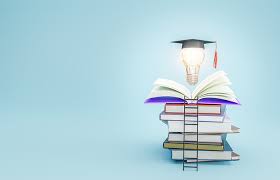
Education has always been the cornerstone of progress and human development, shaping individuals and societies for centuries. Yet, as the world evolves, so too must the way we approach learning. With the rapid advancements in technology, shifting societal needs, and the increasing recognition of diverse learning styles, education is undergoing a transformation. This article explores the key trends reshaping education today and why these changes are vital for the future.
1. The Rise of Digital Learning
The most significant shift in education over the past decade has been the advent of digital learning. The COVID-19 pandemic accelerated the transition to online platforms, but even as the world returned to normal, digital tools remained a fixture in classrooms worldwide. From virtual classrooms to e-learning platforms, students now have access to a wealth of information and resources at their fingertips.
Learning management systems (LMS), video lectures, and interactive simulations allow for a more personalized and flexible learning experience.get more info This accessibility opens doors for students who may have previously faced barriers, such as geographic isolation or limited access to physical schools. Digital education also promotes lifelong learning, as adults and professionals continue their education in parallel with their careers.
2. Inclusive Education: Emphasizing Diversity and Equity
In the past, education systems often focused on one-size-fits-all approaches, leaving little room for students with diverse needs. Today, there is a growing emphasis on inclusive education, which aims to ensure that every student, regardless of background, ability, or identity, has equal opportunities to learn and succeed.
Inclusive education recognizes the value of diverse perspectives and strives to create learning environments where all students feel supported and valued. This shift has led to more adaptive teaching methods, the incorporation of assistive technologies, and curricula that reflect a variety of cultural, ethnic, and socioeconomic backgrounds. By embracing diversity, schools foster a sense of belonging that enhances the educational experience for everyone.
3. The Power of Personalized Learning
Every student is unique, with individual strengths, weaknesses, interests, and learning styles. Traditional education models often emphasize a standardized curriculum that may not suit every student. Personalized learning, however, seeks to address this gap by tailoring the educational experience to the needs of each individual.
Thanks to advancements in AI and data analytics, personalized learning has become more feasible. Teachers can now use data-driven insights to understand a student’s progress, identify gaps in knowledge, and provide targeted support. This approach not only helps students achieve their academic goals but also encourages self-directed learning, fostering independence and confidence.
4. Project-Based Learning and Real-World Application
Another key development in modern education is the shift towards project-based learning (PBL), which emphasizes hands-on, real-world problem solving. PBL moves away from rote memorization and instead focuses on critical thinking, collaboration, and creativity. Students work on long-term projects that mirror real-world challenges, developing skills that are highly valued in the workforce.
This approach also encourages a deeper understanding of the subject matter, as students actively apply what they learn to solve practical problems. Whether it’s designing a sustainable energy solution or creating a community outreach program, PBL empowers students to connect academic knowledge with real-life issues, fostering a sense of purpose and relevance in their education.
5. The Role of Teachers in a Changing World
Despite all the technological advancements, the role of the teacher remains central to the learning experience. However, the function of teachers is evolving. Today’s educators are not only instructors but also facilitators, mentors, and guides in a constantly changing landscape. As technology takes on more of the administrative and instructional tasks, teachers are increasingly able to focus on personalized student interaction, emotional support, and the development of critical soft skills like communication and teamwork.
Teachers also need to be lifelong learners themselves, staying updated on the latest teaching methods, technologies, and research in their fields. This mindset of continuous improvement helps ensure that educators are equipped to meet the needs of their students in an ever-changing world.
6. The Future of Education: Blended Learning and Hybrid Models
As we look to the future, the concept of blended learning is gaining traction. Blended learning combines the best aspects of traditional face-to-face instruction with online and digital learning methods. Hybrid models give students more control over when and how they learn, allowing them to access content at their convenience while still benefiting from in-person interaction with teachers and peers.
This flexible approach supports a variety of learning styles, making education more adaptable to the diverse needs of students. It also offers potential solutions to issues such as overcrowded classrooms, teacher shortages, and the need for more individualized attention.
Conclusion: A New Era of Learning
The future of education is exciting and filled with possibilities. By embracing technology, promoting inclusivity, personalizing learning experiences, and focusing on real-world applications, we are laying the foundation for an education system that meets the needs of every student. As the world continues to evolve, so too must our approach to education, ensuring that it remains a powerful tool for personal growth and societal advancement.
In this new era of learning, we must work together—educators, students, parents, and policymakers—to create an education system that is dynamic, equitable, and adaptable. The future of education is in our hands, and it’s up to all of us to shape it for the better.
|