Guest
Guest
Jan 12, 2026
7:43 AM

|
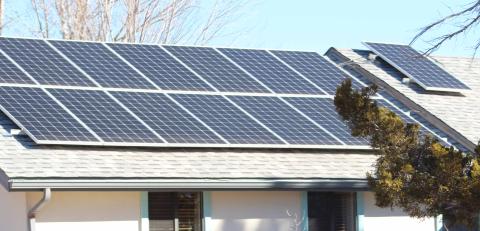
Solar panels are devices that convert sunlight into electricity. As the world looks for cleaner and more sustainable energy sources, solar panels have become one of the most popular solutions. They help reduce pollution, lower electricity costs, and decrease reliance on fossil fuels.
How Solar Panels Work
Solar panels are made up of photovoltaic (PV) cells, usually composed of silicon. When sunlight hits these cells, it excites electrons and creates an electric current. This process is known as the photovoltaic effect. The electricity generated is direct current (DC), which is then converted into alternating current (AC) by an inverter so it can be used in homes, schools, and businesses.
Types of Solar Panels
There are three main types of solar panels commonly used today:
Monocrystalline panels – Made from a single crystal of silicon, these panels are highly efficient and long-lasting but usually more expensive.
Polycrystalline panels – Made from multiple silicon crystals, they are slightly less efficient but more affordable.
Thin-film panels – Lightweight and flexible, these panels are easier to install but generally produce less electricity.
Benefits of Solar Panels
Solar panels offer many advantages. They produce renewable energy, which means they will not run out as long as the sun shines. They help reduce greenhouse gas emissions, making them environmentally friendly. Solar panels can also lower electricity bills and, in some cases, allow users to sell excess power back to the grid. Additionally, solar systems require relatively low maintenance.
Challenges and Limitations
Despite their benefits, solar panels have some limitations. The initial installation cost can be high, although prices have been decreasing over time. Solar energy production depends on sunlight, so efficiency is lower on cloudy days or at night. Large-scale solar installations also require significant space.
The Future of Solar Energy
Advancements in technology continue to improve solar panel efficiency and affordability. Innovations such as solar batteries, smart grids, and improved materials are making solar energy more reliable and accessible. As governments and individuals invest more in renewable energy, solar panels are expected to play a major role in meeting future energy needs.
Conclusion
Solar panels are a powerful and sustainable energy solution that harnesses the sun’s natural energy. While there are challenges to overcome, the benefits of clean energy, cost savings, and environmental protection make solar panels an important part of a greener future.
pv panels
If you’d like, I can also:
Simplify this for younger students
Add statistics and real-world examples
Rewrite it in a persuasive or technical
|